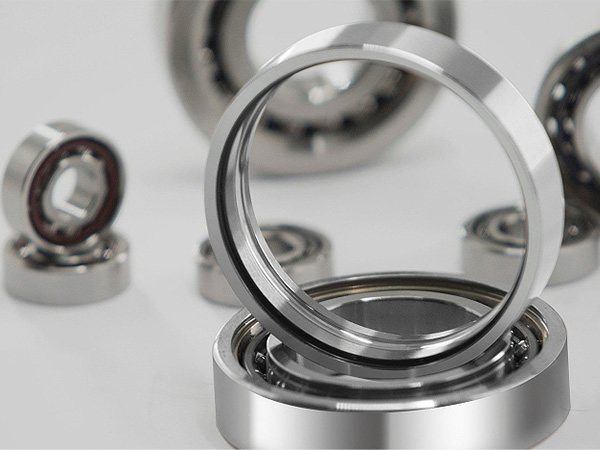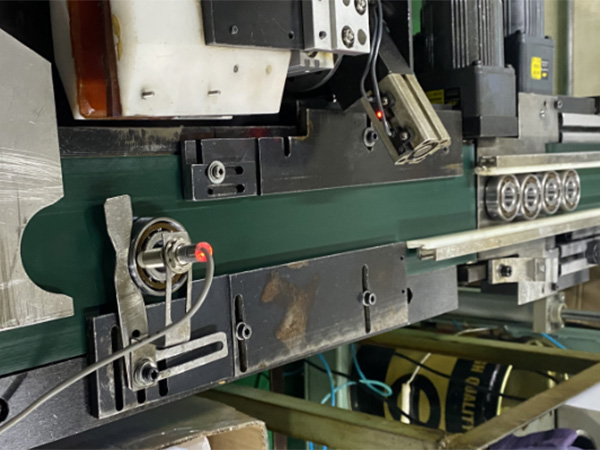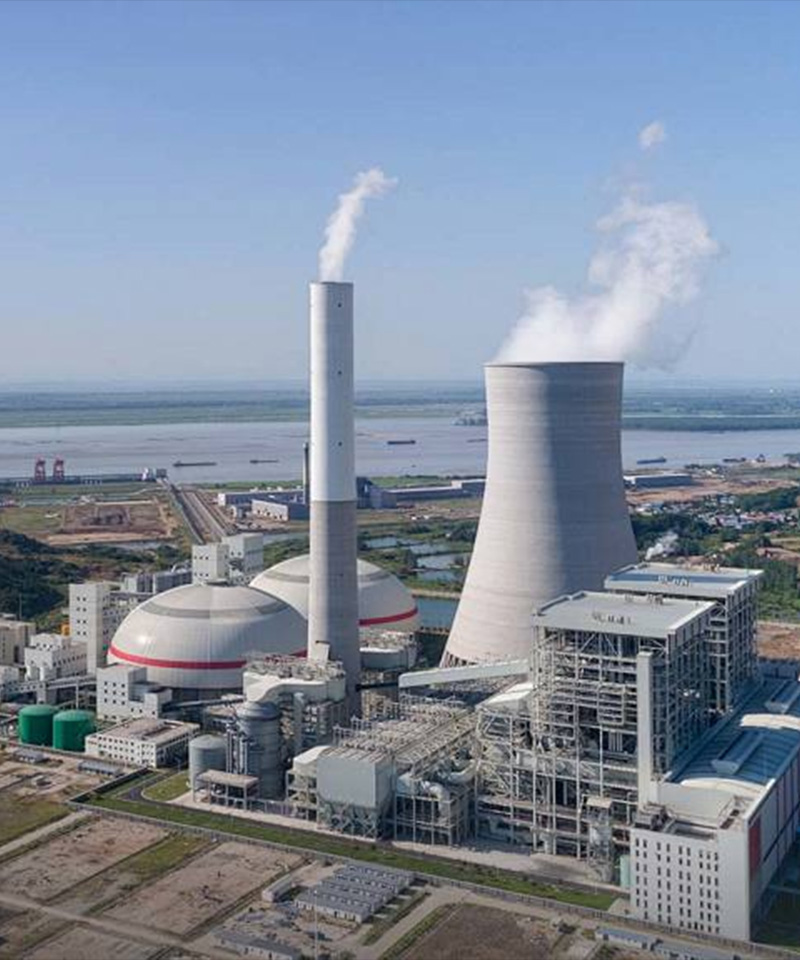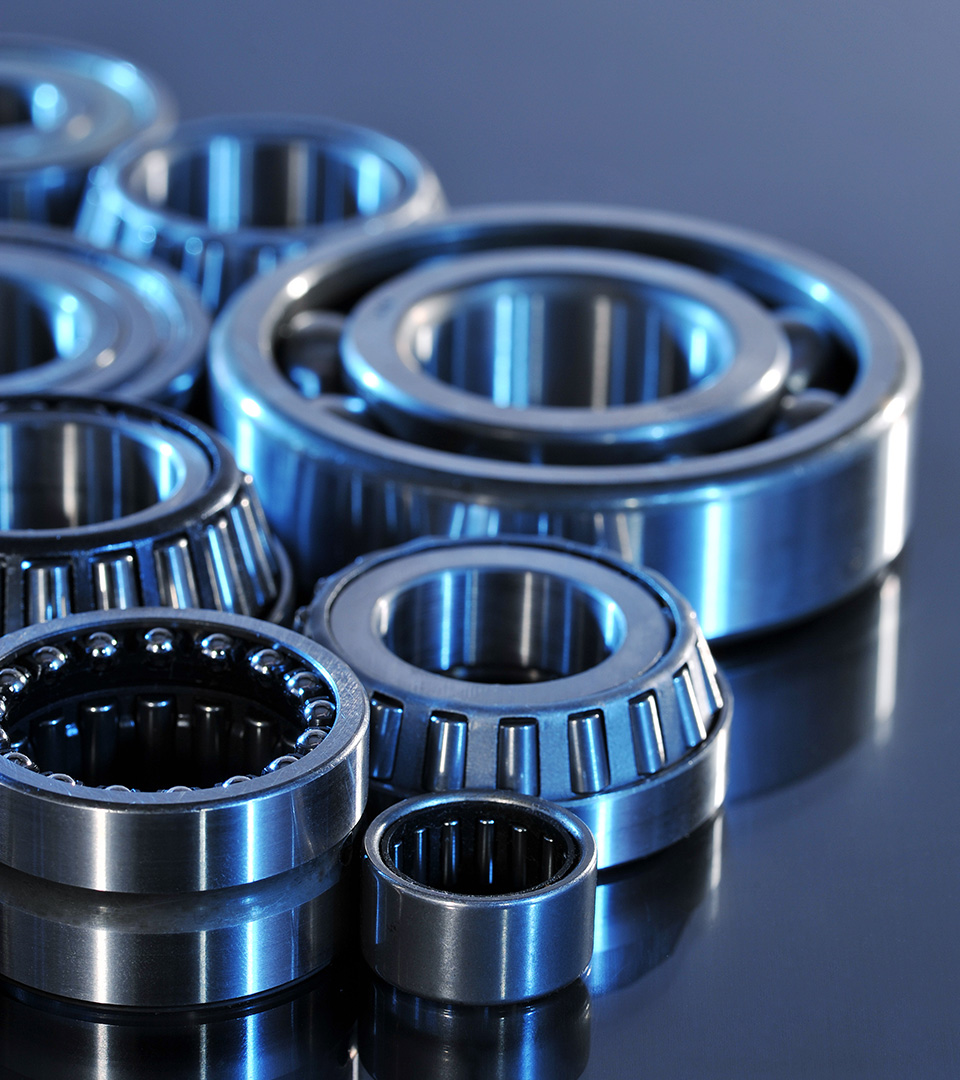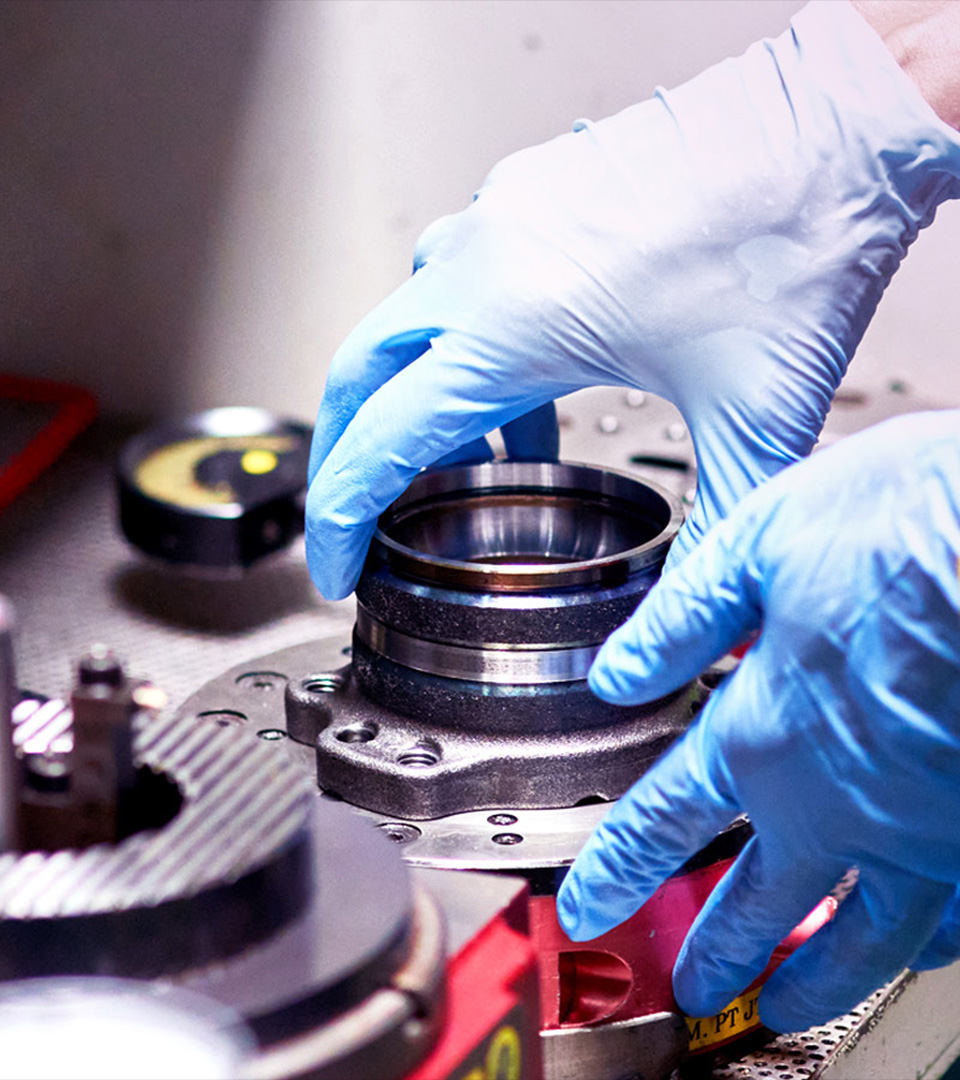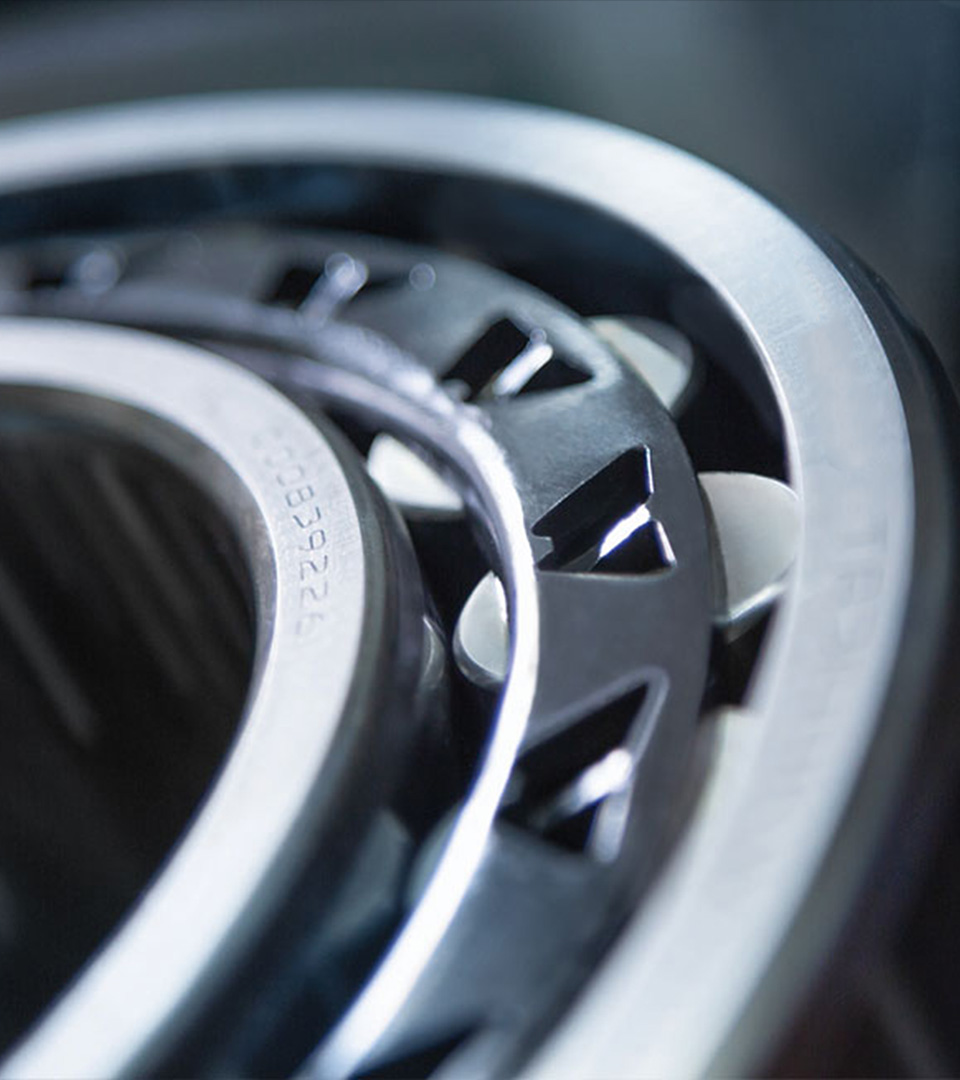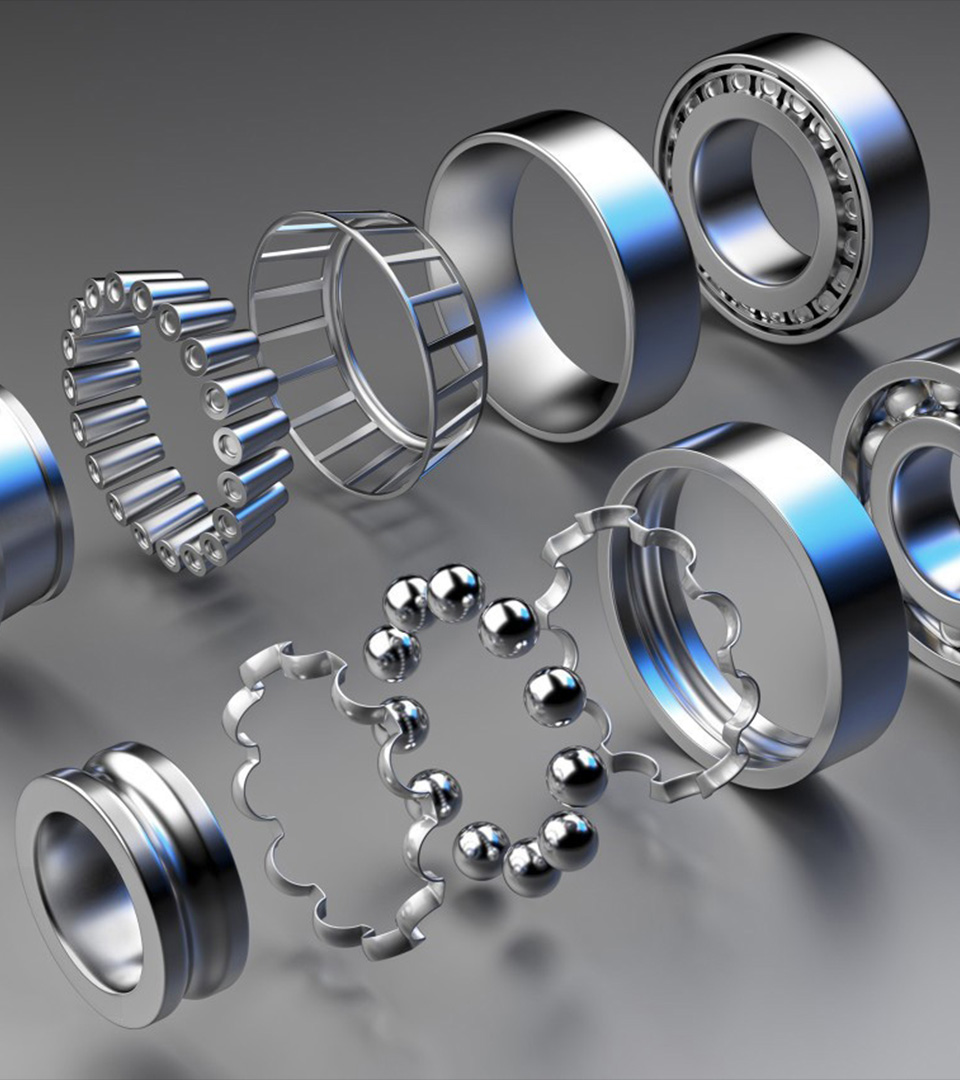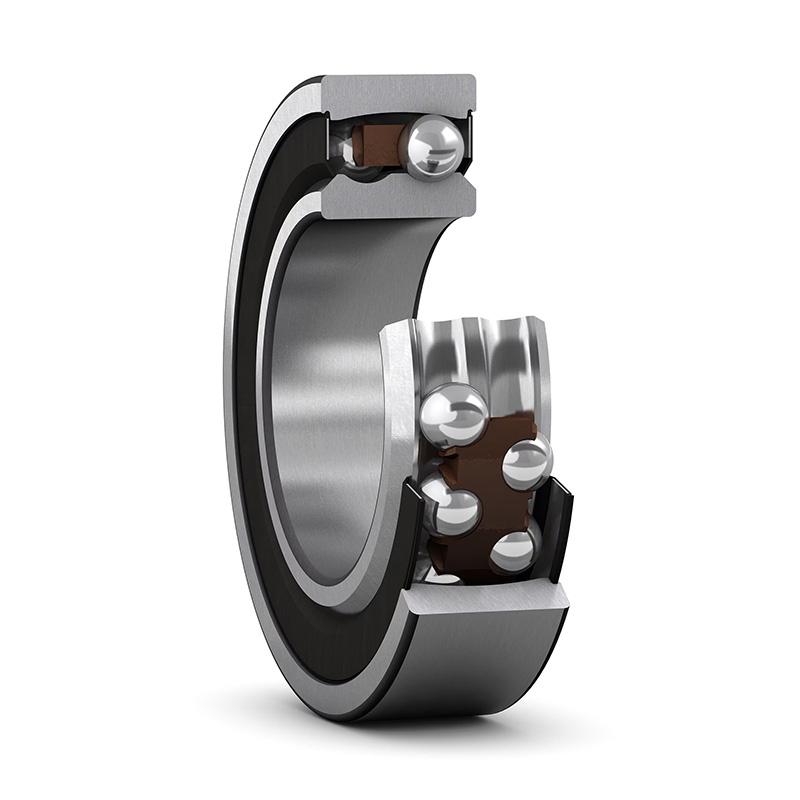
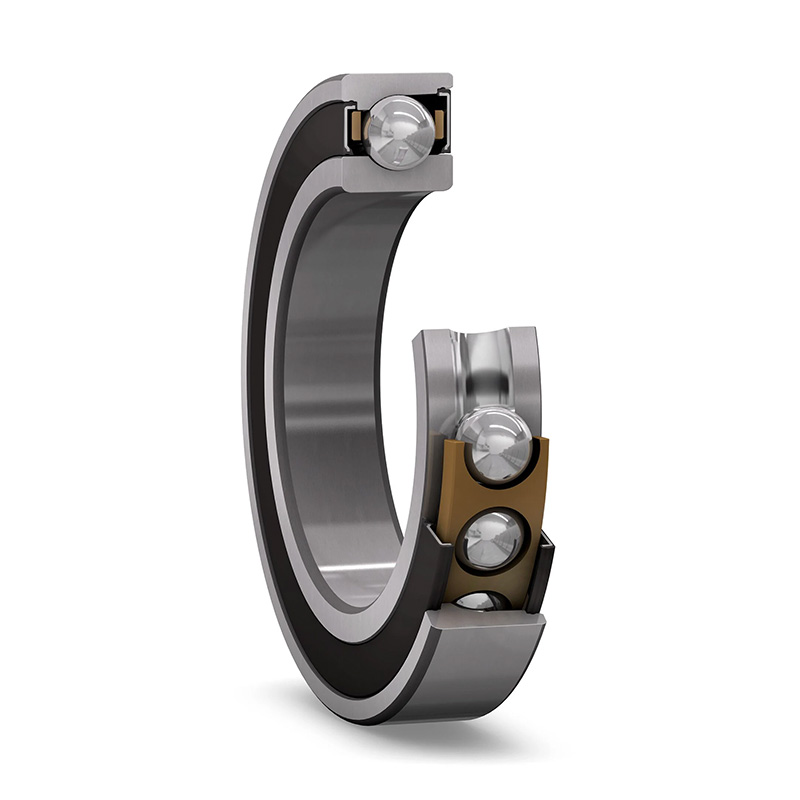
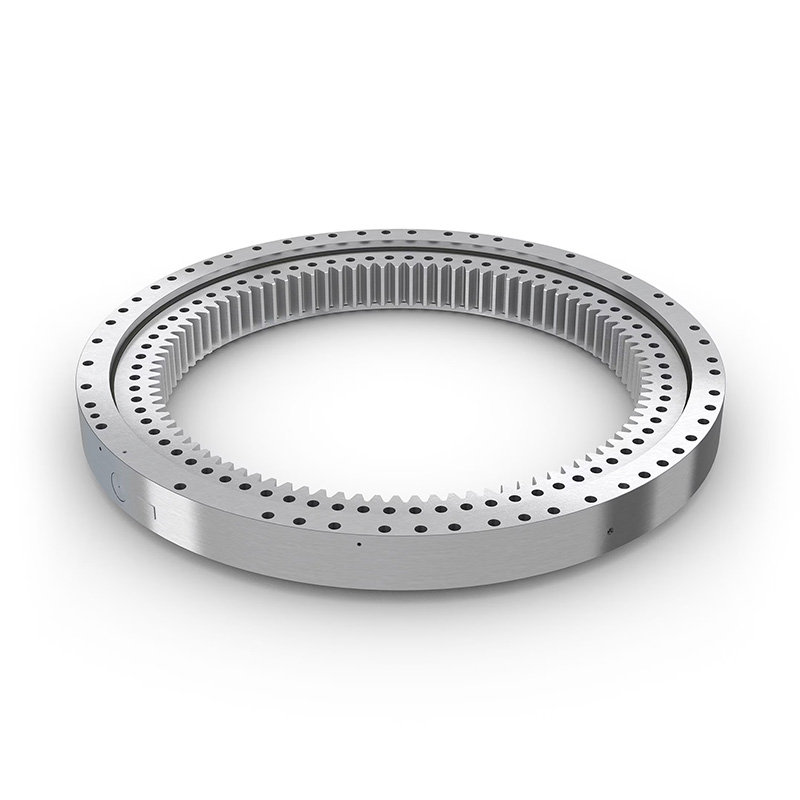
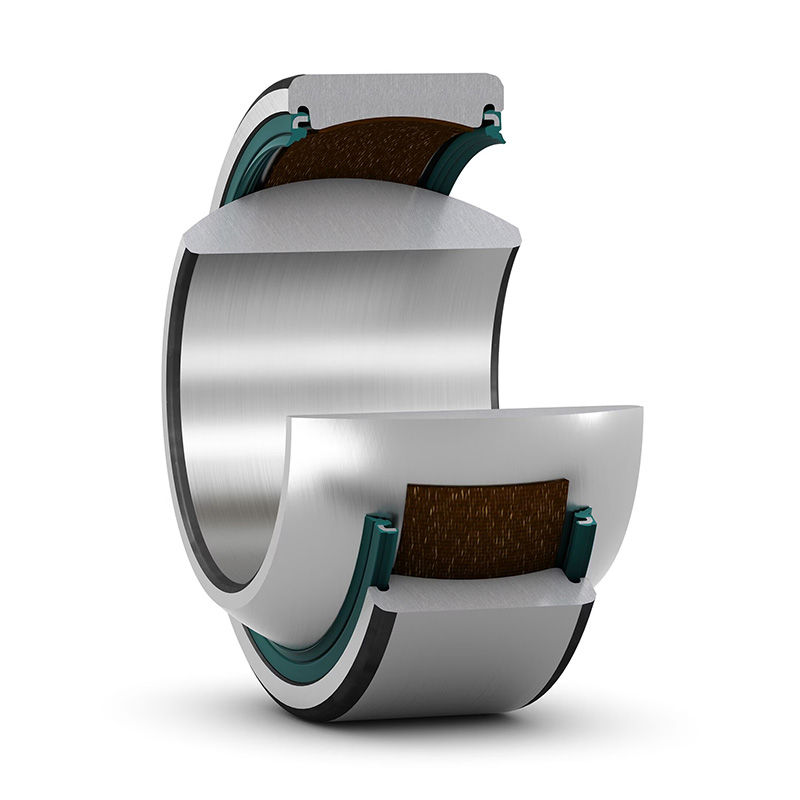
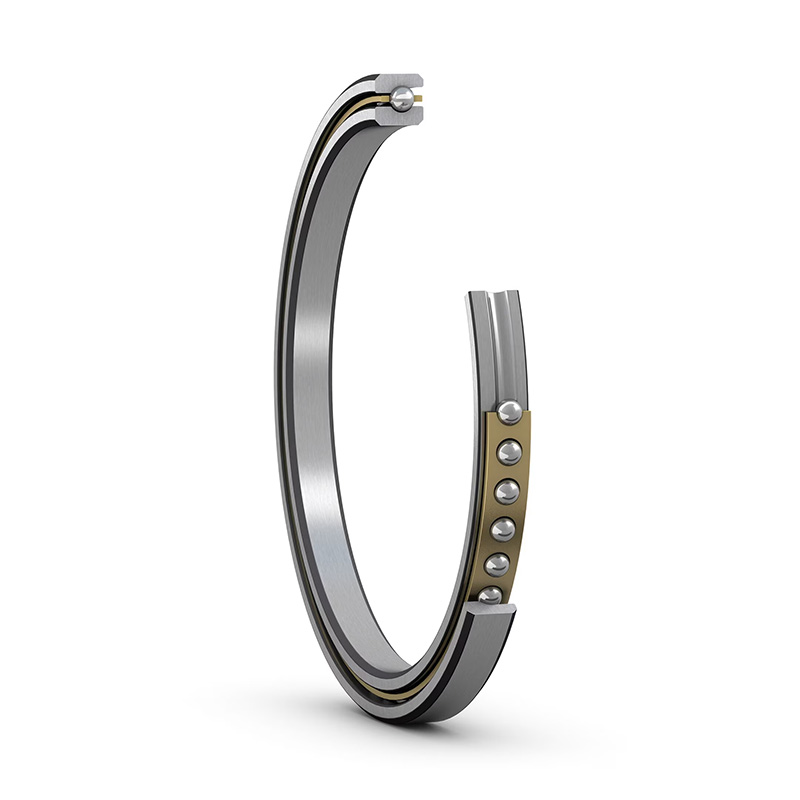
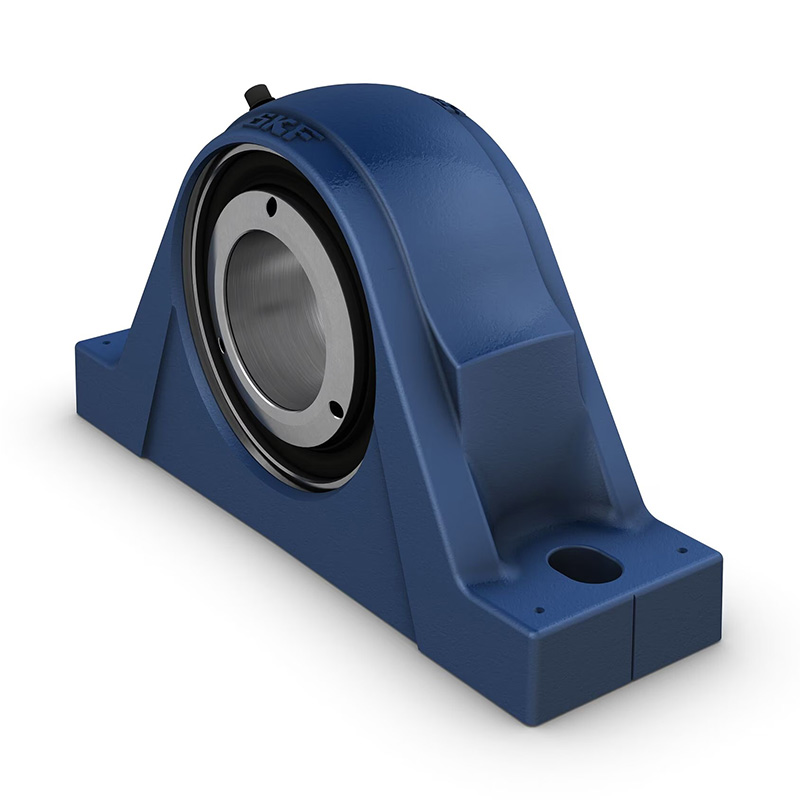
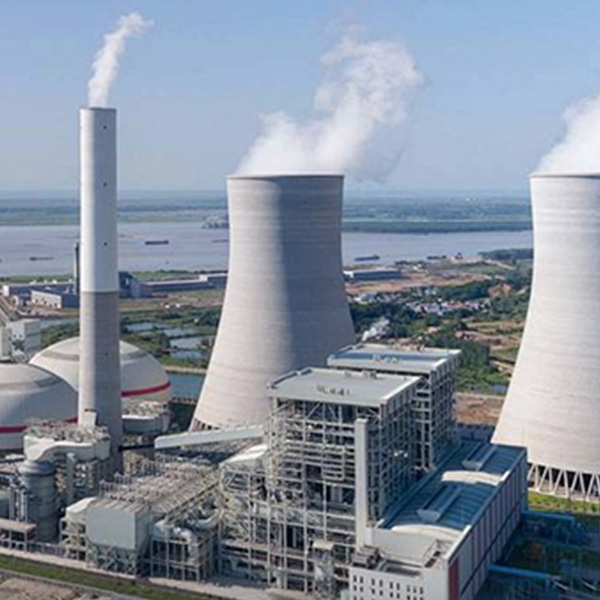
CAE deeply understands the application needs of customers in the thermal power industry. CAE bearings have been operating in harsh environments such as dust pollution, high temperature, low speed, and insufficient lubrication for many years. With the application experience of these reliable products, CAE has become a long-term trusted partner for power generation equipment manufacturers and users. CAE is committed to providing high-quality products and excellent solutions for the thermal power industry.
Learn More
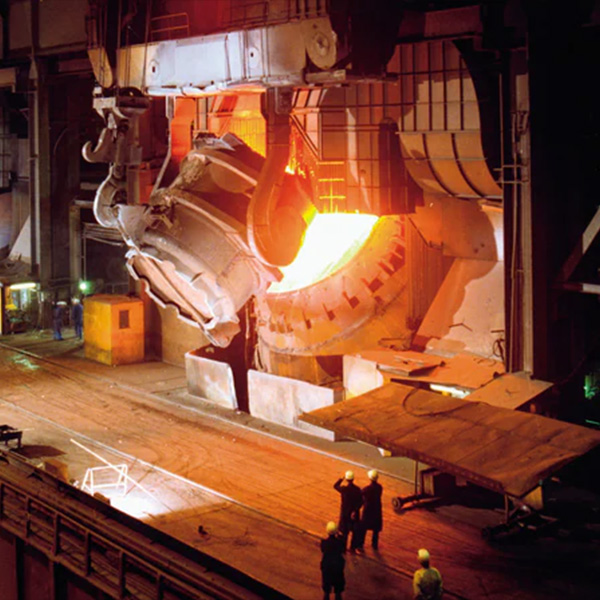
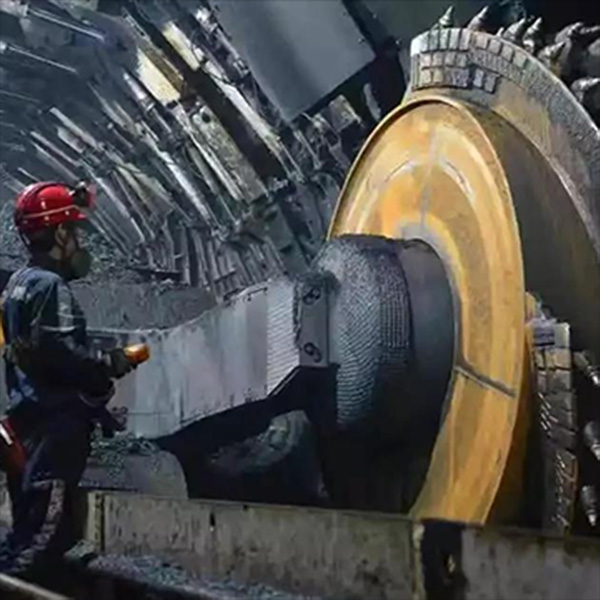
Mining and metallurgical machinery equipment work in harsh environments for a long time, enduring heavy loads and severe eccentric forces caused by debris pollution. They require bearings that can withstand the adverse effects of high temperatures, heavy loads, water, and dust, as well as be easy to install and disassemble. For many years, CAE technicians have been dedicated to providing comprehensive and personalized solutions for the mining machinery industry in order to meet the requirements of harsh environments and adapt to extreme working conditions.
Learn More
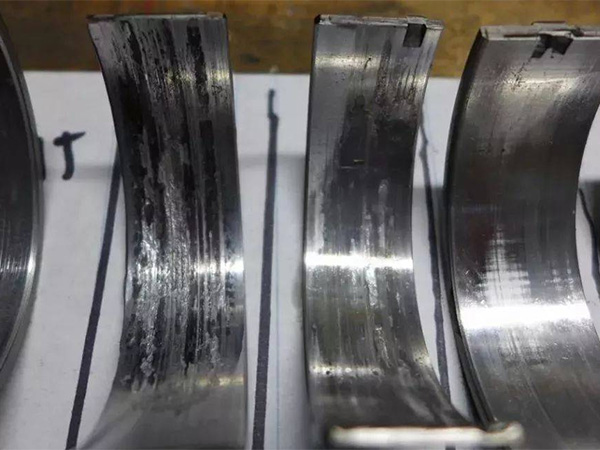
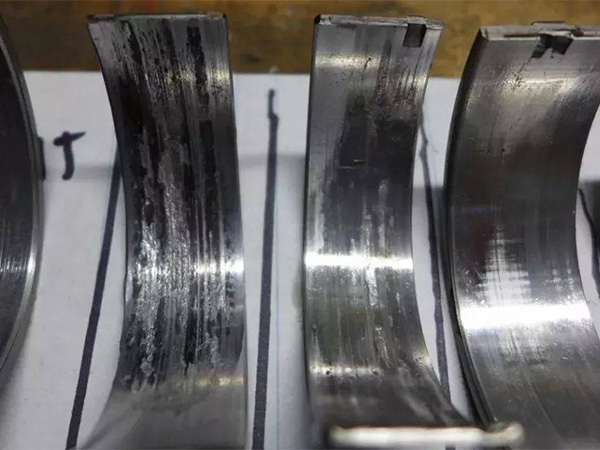
Due to the rotating working mechanism of the coal mining machine, the operating environment is harsh and the force is high. Mechanical wear of transmission components often occurs, such as wear of the bearing position of the coal mining machine's telescopic cylinder, wear of the bearing chamber in the coal mining machine's reducer housing, impact wear of the coal mining machine's hinge pin hole, and wear of the inner hole of the coal cutting tooth seat of the coal mining machine's drum.
Learn More
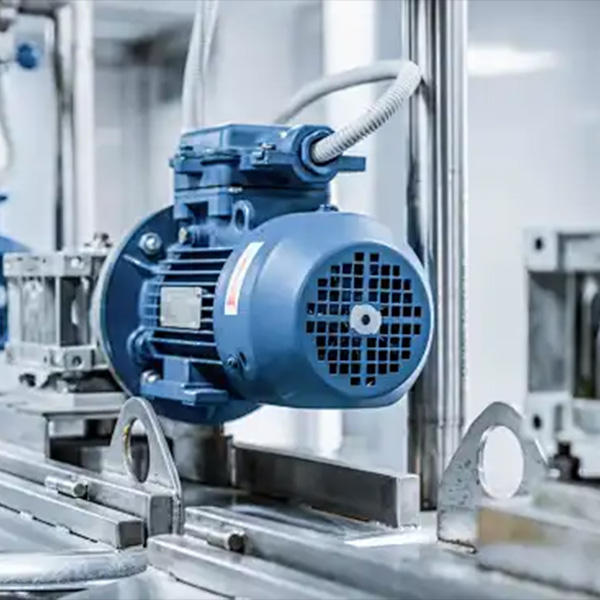
Motor bearings, also known as electric motor bearings or motor bearings, are a specialized type of bearing used specifically for electric motors or motors. The bearing used in the motor is a supporting component that can guide the rotation of the bearing and also withstand the components that are idling on the shaft. The concept of a bearing is very broad.
Learn More
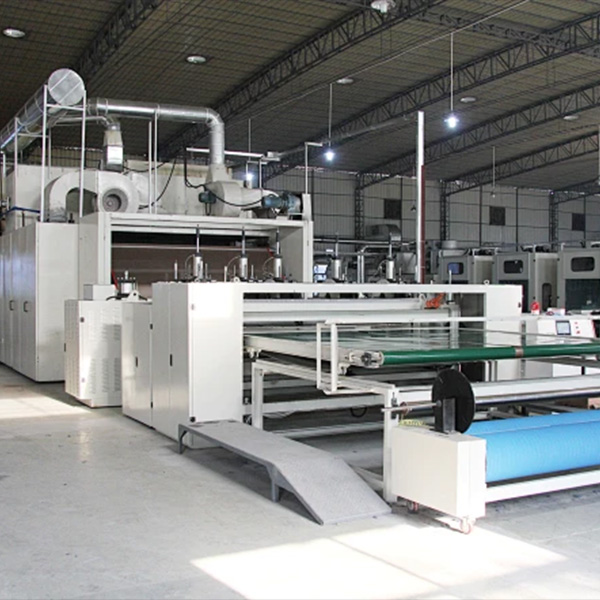
Modern papermaking equipment is evolving towards high-speed, intelligent, and environmentally friendly directions. The core equipment such as the slurry box, pressing section, and drying section achieve a production speed of over kilometers per minute through precision sensing and automatic control systems, while reducing water and energy consumption. The innovation focus includes recycled fiber processing technology, paper machine drying heat recovery system, and digital twin operation and maintenance platform, helping paper companies improve their quality and sustainable competitiveness.
Learn More
As the core component of power transmission, industrial gearboxes are widely used in heavy-duty scenarios such as mining, wind power, and cement. High torque density design, modular structure, and maintenance free bearing technology have become trends. The industry focuses on optimizing gear carburizing and quenching processes, vibration and noise control, and intelligent lubrication systems to meet the 20-year ultra long life requirements under extreme working conditions, and provide reliable power solutions for industrial equipment.
Learn More
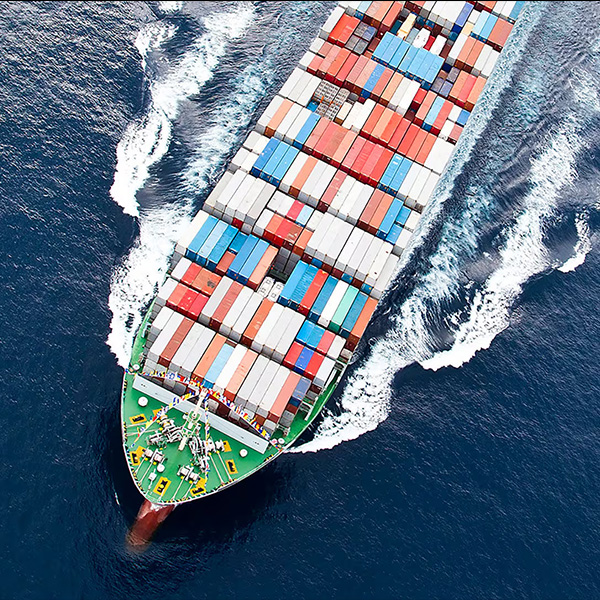
The global shipbuilding industry is transitioning towards green ships and intelligent shipping. Liquefied natural gas (LNG) fuel tanks, dual fuel engines, and carbon capture systems have become standard on new ships, while digital navigation, shore power integration, and zero emission technologies are reshaping industry standards. In the field of supporting equipment, significant technological breakthroughs have been made in domestically produced deepwater anchor machines, electric propulsion systems, and ballast water treatment devices, which have helped the shipping industry cope with IMO environmental regulations.
Learn More
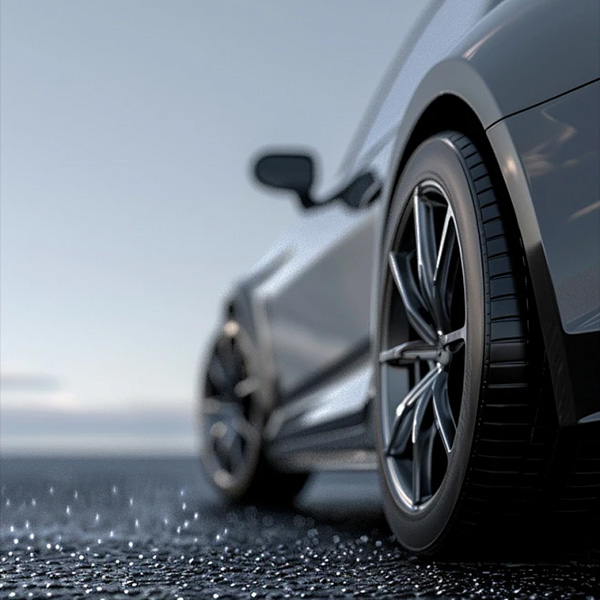
The automotive industry is undergoing a dual revolution of electrification and intelligence: the three electric system (battery/motor/electronic control) is replacing traditional powertrains, and the popularity of 800V high-voltage platforms and solid-state batteries is accelerating; Intelligent driving domain controller, LiDAR, and vehicle road coordination technology are driving the landing of L4 level autonomous driving. The restructuring of the supply chain has given rise to new models of integrated die-casting, carbon fiber lightweighting, and flexible manufacturing, reshaping the global industrial landscape.
Learn More